
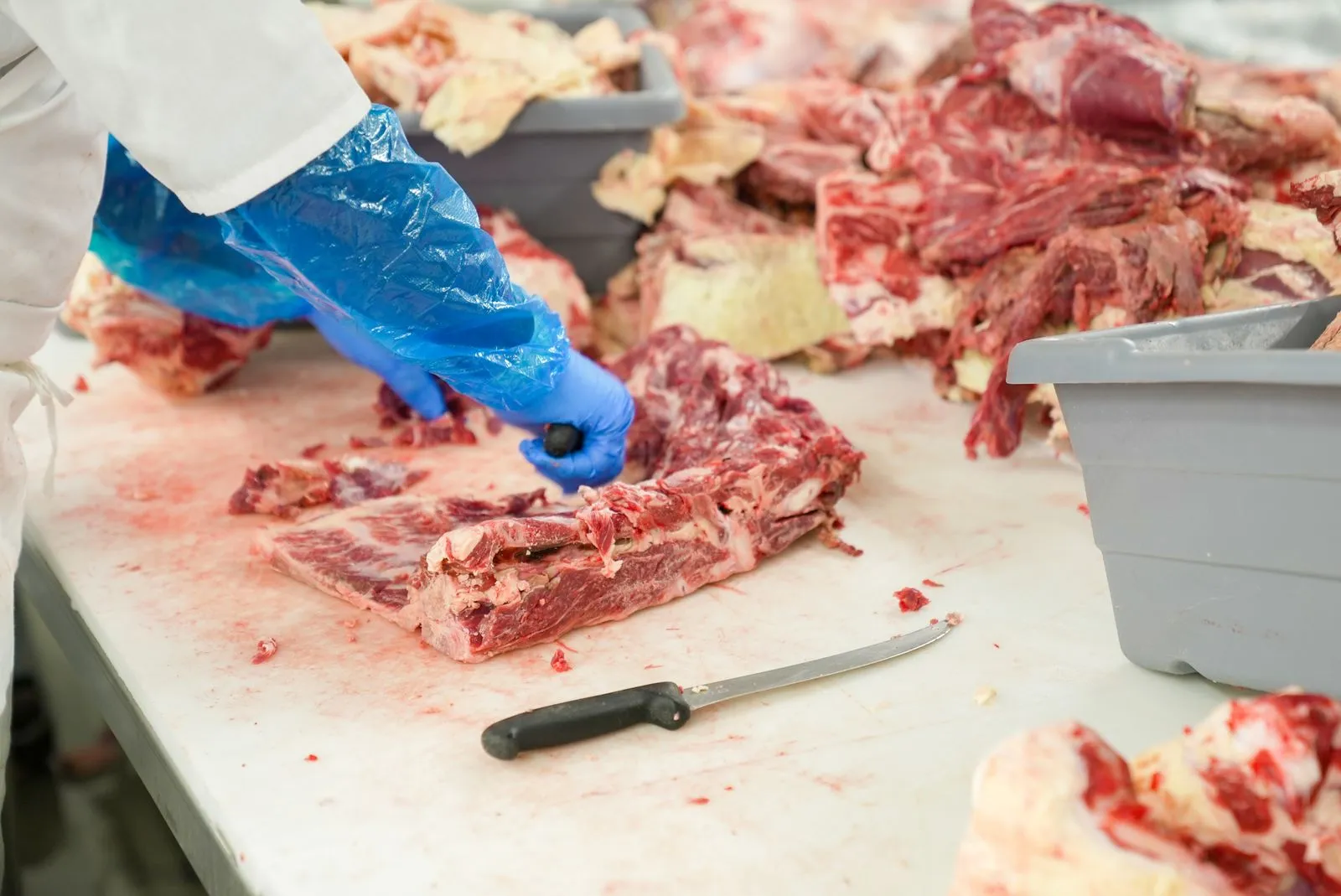
A quick conversation at the butcher counter can help you choose pork that suits your recipe, schedule, and cooking equipment. You don’t need to know every cut by name. Tell the butcher what you plan to make, how you’ll cook it, and how many people you’re serving. Then ask a few practical questions about thickness, trimming, and preparation. These details can affect cooking time, texture, and how much work you’ll need to do at home.
Start With Your Cooking Plan
Describe the dish and cooking method first. Say whether you plan to grill, roast, pan-sear, braise, or slow-cook the pork. If you’re making a specific recipe, share its instructions or the cut it calls for. Your butcher can help you choose an appropriate option or explain how another cut may work with the same method.
Mention when you’ll serve the meal and how many people you’re feeding. Ask how much to buy, especially if the cut has a bone or you want leftovers. If you’re short on time, say so; some preparations take longer than others, and the butcher may suggest a cut that better fits your schedule.
Ask About Cut and Thickness
For chops, steaks, and cutlets, ask how thick they are and whether that thickness suits your cooking method. Thin pieces cook quickly and can dry out if left on the heat too long. Thicker cuts give you more room to brown the outside while bringing the center to the right temperature, but they may need a different cooking time.
If a recipe specifies thickness, bring that detail to the counter. Otherwise, describe your equipment and preference: a quick stovetop dinner, for example, may call for a different cut or thickness than a slow grill. Ask whether the pieces can be cut evenly so they finish cooking at about the same time.
Discuss Trimming and Preparation
Ask what trimming the cut needs before cooking. You can check whether excess surface fat, skin, or connective tissue should stay on or be removed. Some fat can help protect meat and add flavor during cooking, while other parts may be easier to handle if trimmed at the shop. Explain what you prefer rather than assuming every cut should be lean.
Ask whether the butcher can portion, tie, score, or prepare the pork for your recipe. For a roast, you might ask if it can be tied to cook evenly. For chops, ask whether they can be cut to a consistent thickness. Confirm what has been done so you know what steps remain at home.
Clarify Cooking and Storage
Ask whether the chosen cut works best with direct heat, gentle cooking, or a combination. Your butcher can offer practical guidance on handling the particular cut, but follow a reliable recipe and use a food thermometer to check doneness. Ask whether the meat should come out of the refrigerator before cooking and how to avoid overcooking thinner pieces.
Before you leave, check how to store the pork and when to use or freeze it. If you’re buying ahead, ask whether freezing is suitable and how to package portions for your plans. At Riverbend Butcher in St. Louis, you can bring your recipe questions to the counter and discuss what will work for your meal.
A useful butcher-counter conversation starts with your recipe and ends with clear details about cut, thickness, preparation, and storage. Share what you’re cooking, ask questions you’re unsure about, and confirm the portions match your plan. The more your butcher knows about the meal, the easier it is to choose pork you can cook with confidence.